The Psychology of Gardens and Antiques
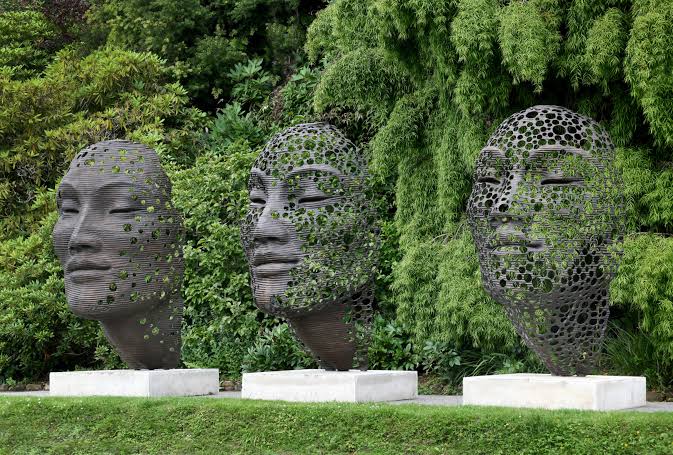
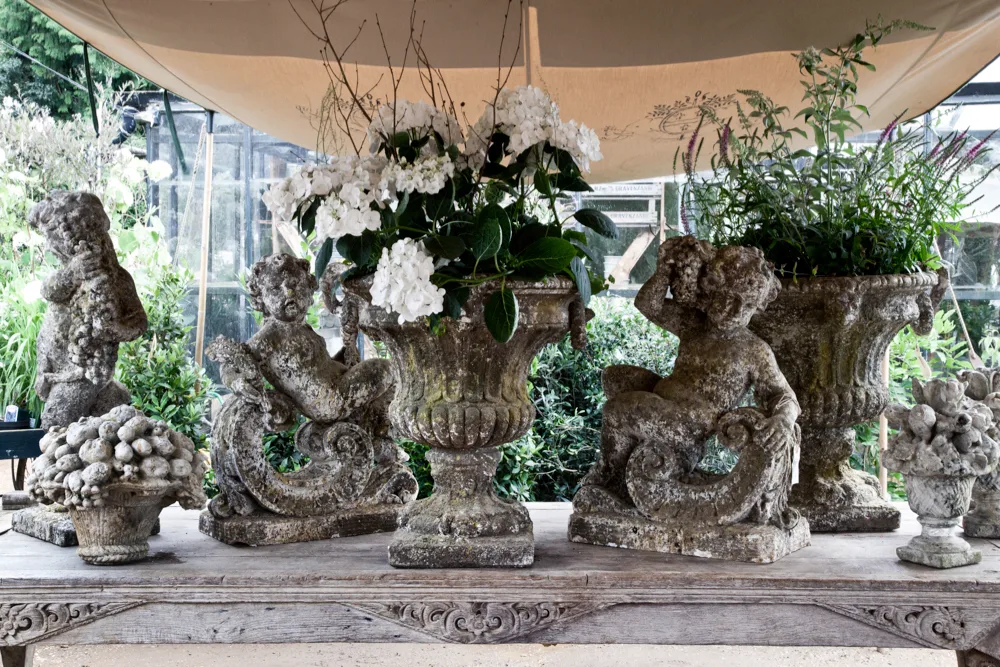
Integrating antiques and artistic relics into gardens is far more than a clever design choice; it is a powerful psychological tool that deeply influences human mood and mental well-being. This profound impact stems from the convergence of two healing forces: art, which speaks to human intellect and consciousness, and nature, which triggers our innate biological connection to life (biophilia). Together, they create a therapeutic sanctuary that reduces stress and enhances cognitive restoration.
Dimensions of the Psychological Impact
- Attention Restoration and Mental Relief: According to the psychological "Attention Restoration Theory," nature offers the brain a break from forced, exhausting focus. When the eye catches an antique statue or artifact amidst greenery, the brain shifts into a state of "Soft Fascination." This transition allows stressful thoughts to dissipate, giving the mind a chance to rest and restore itself.
- Sparking Curiosity and Visual Wonder: Placing antiques in unexpected corners or partially hidden behind shrubs stimulates the human instinct for exploration. Psychologically, this "visual wonder" triggers the release of feel-good hormones like dopamine. Walking through the garden transforms from mere physical movement into a joyful journey of discovery.
- A Sense of Time and Emotional Stability: Antiques carry the weight and whisper of the past. Seeing a solid, historical object—like weathered bronze or ancient marble—contrasted against fleeting, fast-growing plants provides a subconscious feeling of continuity and grounding. This juxtaposition reminds us of permanence in a changing world, subtly easing underlying anxiety.
- Fostering Mindful Reflection: The gentle sound of water splashing from a vintage fountain, combined with the silent presence of a classical sculpture, coaxes the mind into a meditative state of mindfulness. This dedicated visual landscape helps individuals disconnect from the chaotic speed of digital life and reconnect with their inner selves.